AI Summary

The holiday season brings additional safety challenges to the workplace. As employees balance year-end deadlines, personal commitments and festive activities, fatigue, stress and distractions can affect their attention. Decorations, temporary events and winter weather can also introduce hazards that are not part of the usual working environment.
For HSE professionals, the priority is to anticipate these changes while maintaining everyday safety standards. Here are seven holiday safety topics for the workplace, with practical prevention tips that supervisors can use in seasonal safety briefings and toolbox talks.
1. Holiday fatigue, rushing and workplace stress
The holiday rush also affects working life. Employees may be dealing with tight deadlines, changes to staffing and personal commitments. Fatigue, frustration and rushing can reduce attention to hazards, particularly during routine tasks. Statistics show that more than half of workers (53%) say they experience more holiday stress than usual, while about one in five (22%) say their overall wellbeing declines (source).
Prevention tips: Review staffing and workloads before the holiday period, plan adequate breaks and encourage employees to report when they feel overtired or distracted. Supervisors can include a short check-in before safety-critical tasks, particularly when deadlines create pressure to rush. The wider effects of workplace stress also make this an important occupational health concern.
Encourage employees to pause before a task and consider whether rushing, frustration or fatigue could affect their attention. This is especially valuable when familiar routines are disrupted.
2. Holiday decoration hazards and fire safety
Workplace decorations can introduce hazards when cables cross walkways, electrical sockets are overloaded or decorations obstruct emergency exits. Damaged lighting, combustible materials and poorly positioned displays also require attention.
Prevention tips: Check decorative lighting before use and follow the manufacturer's instructions. Keep escape routes, fire equipment and pedestrian walkways clear. Avoid naked flames, do not overload sockets and secure cables with suitable covers. Assign someone to inspect decorations and remove them safely after the event.

Why it matters: Compared to other types of house fires, Christmas tree and holiday decoration fires are far more destructive. These types of fires cause twice the property damage and five times more deaths than typical winter holiday fires.
3. Ladder and working-at-height safety during decorating
Hanging decorations above head height can lead employees to use unsuitable equipment such as chairs or desks. Even brief tasks can result in serious falls, so decorating should follow the same working-at-height precautions as other workplace activities.
Prevention tips: Avoid working at height where possible. When it is necessary, select suitable access equipment, inspect it and place it on firm, level ground. Maintain a secure handhold, avoid overreaching and do not carry items that prevent safe climbing. Follow the HSE's working-at-height guidance and your site's procedures.
4. Slips, trips and falls from seasonal clutter and winter weather
Temporary decorations, deliveries and additional equipment can obstruct walkways. Wet footwear, icy entrances and shorter daylight hours may add slip and trip risks, particularly near entrances, loading areas and outdoor paths.
Prevention tips: Inspect shared spaces and pedestrian routes regularly. Remove packaging promptly, secure cables, provide suitable entrance mats and address wet or icy surfaces under the site's winter maintenance plan. Keep lighting adequate and do not allow temporary storage to block escape routes.
5. Inclusive and psychologically safe workplace celebrations
Workplace celebrations should be welcoming without creating pressure to participate. Employees may have different cultural traditions, caring responsibilities, accessibility needs or preferences around alcohol. Planning for these differences supports a respectful environment.
Prevention tips: Make attendance optional, provide non-alcoholic drinks and clearly labelled food, and consider accessibility when choosing venues. Communicate expectations for respectful behaviour. Managers should avoid pressuring employees to drink or participate and make it easy to raise concerns.
6. Food safety and allergens at workplace holiday events
Shared meals, buffet tables and dishes brought from home create food hygiene and allergen risks. Perishable foods may be left out too long, while shared utensils can cause cross-contact between dishes. Accurate ingredient information is essential for anyone with food allergies.
Prevention tips: Label food clearly, including common allergens, and use separate serving utensils. Keep chilled and hot food at appropriate temperatures, follow catering and storage instructions and clean shared preparation surfaces. Never guess whether a dish is safe for someone with an allergy.
Share a short food safety checklist with organisers and employees bringing dishes before the event.

7. Safe driving after holiday celebrations and during winter
Late nights, alcohol and additional journeys can increase driving risks during the holidays. Alcohol impairs judgement and reaction time, while fatigue reduces alertness. Winter weather can also create slippery roads and poor visibility. These hazards affect employees travelling home and those driving for work.
Prevention tips: Encourage employees to arrange safe transport before celebrations. Where possible, offer taxi arrangements or information about public transport. Remind workers not to drive after drinking, to stop and rest when too tired to drive safely and to allow extra journey time in poor conditions.
The YOUFactors “Rate Your State” feature can encourage employees to recognise fatigue or rushing before starting a journey.
Workplace holiday safety checklist for HSE teams
Use this checklist in a seasonal inspection, safety meeting or toolbox talk to identify temporary hazards and confirm that existing controls remain effective.
- Check that emergency exits, walkways and fire equipment remain accessible.
- Inspect festive lights, leads and other electrical decorations.
- Review wet or icy entrances, outdoor routes and lighting.
- Confirm that suitable access equipment is used for decorations at height.
- Discuss fatigue, rushing and staffing pressures with employees.
- Check food hygiene and allergen information for workplace events.
- Remind employees to plan safe travel after celebrations.
- Encourage reporting of hazards and near misses, and act on concerns.
Ask employees what has changed in their work environment and whether the usual precautions are still sufficient. Where appropriate, include seasonal changes in a Job Hazard Analysis (JHA).
Reinforcing holiday safety awareness beyond the toolbox talk
Holiday safety reminders are useful, but employees also need to recognise how their own state affects attention. Rushing, frustration, fatigue and complacency can contribute to critical errors, especially when routines change.
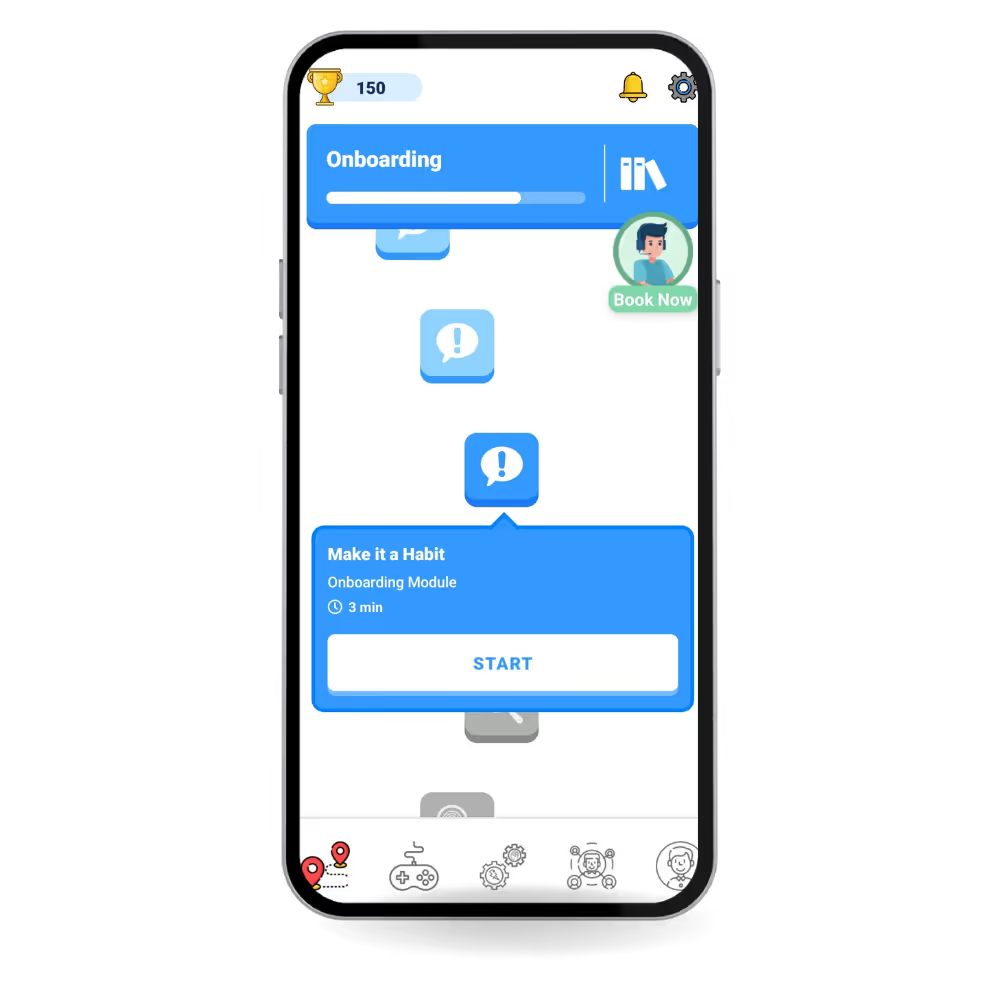
YOUFactors reinforces human factors awareness through short learning activities, personalised nudges and practical exercises based on the SafeStart methodology. These activities complement existing safety procedures and provide regular opportunities to practise safer habits. Research into how long it takes to form a habit helps explain why repetition matters.
Discover how YOUFactors supports everyday safety awareness.
Frequently asked questions about workplace holiday safety
What are the most important holiday safety topics for the workplace?
Key topics include fatigue, holiday decorations and fire safety, working at height, slips and trips, inclusive celebrations, food safety and safe driving. Priorities should reflect the specific hazards and seasonal changes at your site.
How can employers prevent workplace accidents during the holiday season?
Review temporary hazards and staffing pressures, reinforce existing controls and involve employees in short safety discussions. Inspect areas affected by decorations or winter weather and follow up promptly on reported concerns and near misses.
What should a holiday safety toolbox talk include?
Discuss the seasonal hazards relevant to employees' tasks, explain any changes to the work environment and review practical precautions. Encourage workers to identify situations where fatigue or rushing could affect their attention and invite them to raise concerns.
Keep holiday safety part of everyday work
With suitable controls, clear communication and regular reinforcement, organisations can manage seasonal hazards without losing sight of everyday workplace safety.


YOUFactors Team