AI Summary

We all know what it feels like to be tired at work. Maybe you had a bad night’s sleep, you’re halfway through a run of night shifts, or it’s simply been a long week. Most of the time, we carry on. But when fatigue starts affecting concentration, judgement or reaction time, feeling tired can become a safety issue.
That matters even more when someone is driving, operating machinery, working at height or doing another job where a small mistake can have serious consequences.
This is where fatigue risk management helps. It gives organisations a practical way to spot where fatigue could increase risk, put sensible controls in place and help people recognise when their own state might be affecting how safely they work.
What is Fatigue Risk Management?
Fatigue risk management is a structured way of identifying, assessing and reducing fatigue-related risks at work. It looks at obvious factors such as working hours and rest breaks, but also considers shift patterns, workload, recovery time and the type of work someone is doing.
The important part is being proactive. Rather than asking whether fatigue played a part after an incident, organisations can look at where workplace fatigue is likely to show up and do something about it earlier.
Fatigue Management vs. a Fatigue Risk Management System
Basic fatigue management usually starts with sensible rules around working hours, breaks and rest. A Fatigue Risk Management System, or FRMS, takes a broader approach.
The difference is what happens beyond the policy. An FRMS looks at what people are actually experiencing, whether certain shifts or tasks are creating problems and whether existing controls are working.
Which industries need fatigue risk management most?
Fatigue can affect anyone, but it deserves particular attention in safety-critical industries such as transport, healthcare, construction, manufacturing, aviation and logistics. In these environments, tiredness can reduce the margin for error at exactly the point when people need to stay focused.
.jpg)
Why Workplace Fatigue Is a Serious Safety Risk
When we get tired, we do not suddenly forget how to do our jobs. The change is usually less obvious. Concentration becomes harder to maintain, reactions can slow and decisions may take more effort.
That is one reason employee fatigue can be easy to underestimate. Someone may look perfectly capable of continuing even while their ability to stay focused is dropping. Mental fatigue matters too, particularly when people have spent hours concentrating, solving problems or dealing with competing demands.
Fatigue can also combine with other pressures. Someone who is tired and rushing to finish a job, for example, may be more likely to lose focus at the wrong moment. Good fatigue and safety management therefore needs to consider the person doing the job as well as the hazards around them.
Shift Work and Long Hours
Night work, changing shift patterns and extended hours can make it harder to get consistent, good-quality rest. Add overtime, a long commute or several demanding shifts in a row and the opportunity to recover becomes even smaller.

This does not mean every long shift will result in an incident. It means organisations need to understand when working patterns are making fatigue more likely and whether that fatigue could affect safety-critical work.
Key Components of a Fatigue Risk Management System
There is no single fatigue control that works for every workplace. A good approach combines risk assessment, sensible controls and regular monitoring, using information from both operational data and the people doing the work.
Fatigue Risk Assessment and Hazard Identification
Start by looking at where fatigue and higher-risk tasks meet. Which teams regularly work nights? Where is overtime common? Which jobs need sustained concentration or quick reactions? Do incidents or near misses appear more often at certain points in a shift?
These questions help organisations focus on where fatigue is most likely to have a real safety impact rather than treating every role or working pattern in exactly the same way.
Controls and Countermeasures: Scheduling, Rest, and Education
Once you know where the risk sits, the next step is to reduce it. Depending on the workplace, that could mean changing shift patterns, improving breaks, balancing workloads, rotating demanding tasks or reducing excessive overtime.
There is also a human side. Employees need to feel comfortable saying when fatigue is affecting them, while managers need to know how to respond. If people think admitting they are tired will be seen as complaining or not coping, useful warning signs can stay hidden.
Monitoring then closes the loop. Near misses, incidents, employee feedback and safety observations can reveal whether controls are working and where something needs to change.
The Role of Behavioural Science in Fatigue Risk Management
Good schedules and sensible breaks can reduce fatigue, but they cannot guarantee that nobody will ever feel tired at work. People also need to recognise when their state is starting to affect them and know what to do next.
That sounds straightforward, but knowing fatigue is a risk and noticing its effect on your own performance in the moment are two different things.
From One-Off Training to Safer Habits
A training course can explain fatigue risk clearly, but expecting one session to influence behaviour months later is asking a lot. When someone is tired, busy and trying to get a job done, safety knowledge needs to be easy to recall and apply.
This is where regular reinforcement can help. Micro-learning gives people short opportunities to revisit useful skills, while digital nudges can encourage them to think about their state and anticipate situations where an error might become more likely.
Rather than repeatedly giving people more information, the goal is to help them practise what they already know until safer responses become more familiar.
How Digital Tools Support Fatigue Risk Management
Digital tools can make ongoing reinforcement easier, particularly for organisations with multiple sites, different shifts or frontline employees who are rarely sitting behind a desk.
They are not a substitute for good scheduling, adequate rest or an FRMS. Instead, they can support the human side of fatigue risk management by keeping awareness and practical skills active between formal training sessions.
YOUFactors and Behaviour-Led Safety Awareness
This is where YOUFactors fits in. YOUFactors is a digital learning and skill-building platform designed to help people recognise the states that can lead to human error and build better habits over time. Rather than relying on a one-and-done training approach, it combines digital learning with short micro-learning capsules and regular nudges.
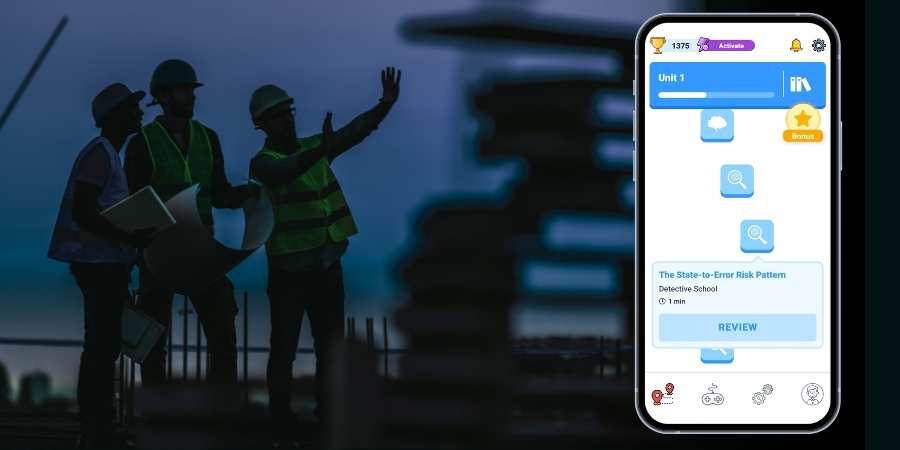
Fatigue is part of that approach. Error Anticipation encourages users to think ahead to situations where fatigue, rushing, frustration or complacency could make an error more likely. Rate Your State brings that thinking into the moment by encouraging people to check their physical or mental state before it affects what they are doing.
These tools do not replace an organisation’s fatigue controls. They add something different by helping people get better at recognising their own state and responding before it contributes to an error.
Practical Steps to Manage Fatigue Risk
You do not need to overhaul everything at once. Start with five practical steps:
- Find the pressure points. Identify roles, shifts and tasks where fatigue could have the greatest safety impact.
- Review working patterns. Look at overtime, night work, rest periods and workload.
- Listen to the frontline. Use employee feedback, incidents and near misses to spot patterns.
- Give managers and employees practical skills. Make sure people can recognise fatigue concerns, report them and know how to respond.
- Keep reinforcing and reviewing. Use regular learning and monitoring so fatigue awareness does not disappear after training.
Make Fatigue Awareness Part of Everyday Safety
Fatigue risk management is not about making sure nobody ever feels tired. It is about recognising when fatigue can change the way people perform and managing that risk before it contributes to an incident.
Organisations can tackle the conditions through scheduling, rest and risk controls. YOUFactors complements that work by helping people recognise states such as fatigue and practise safer responses through micro-learning, nudges, Error Anticipation and Rate Your State.
Because managing fatigue is not only about the hours people work. It is also about helping them recognise when their state could change what happens next.
See how YOUFactors can help your teams build better safety habits and reduce human error.


.webp)
YOUFactors Team


.avif)